
Buying a home in College Park Orlando? This College Park homebuyer checklist starts with the records behind an addition, converted garage, renovated kitchen or “move-in-ready” update. A clean finish is easy to see; permit history, exact jurisdiction and parcel-specific rules take a little more digging.
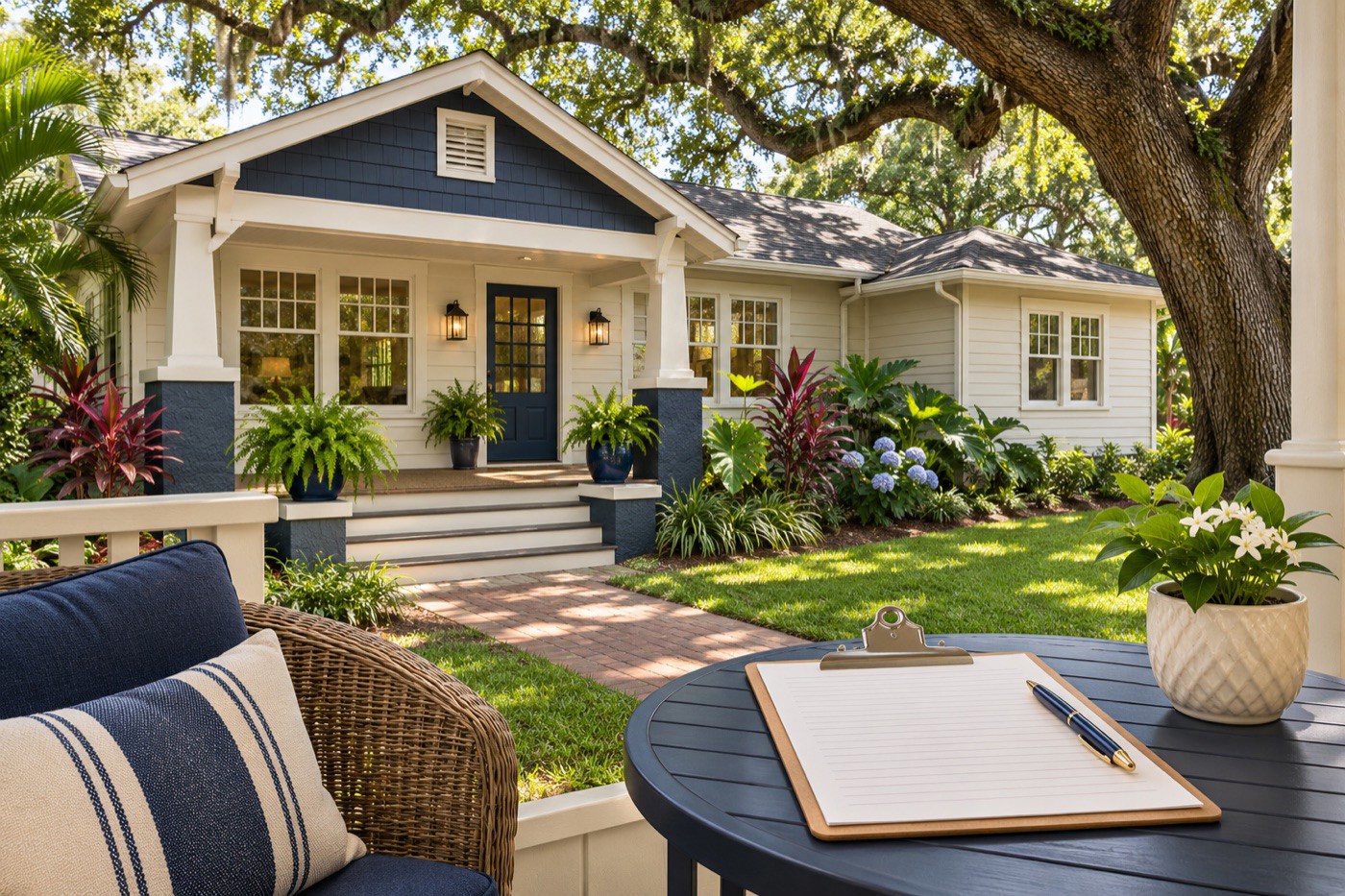
This buyer checklist focuses on the records and questions that can help you evaluate a specific College Park home before making an offer. It does not replace a licensed inspection, insurance quote, legal advice or review by the relevant local agencies.
Comparing homes now? Send Daniel Wilson two or three College Park listing links, your target budget and move timing to organize a property-specific comparison. You can also call (407) 808-9931.
1. Verify the exact address and jurisdiction
Start with the street address and parcel number, not just the listing’s neighborhood label or ZIP code. A College Park mailing address, a “College Park” search result and a parcel’s municipal jurisdiction are not interchangeable. The correct jurisdiction matters because it tells you which agency may hold building-permit records and who can answer questions about a proposed project.
Use the City of Orlando property-information page to reach the relevant property and permit resources. Record the parcel number, municipality and the source where you confirmed them. If a listing detail conflicts with an official record, ask the listing agent or the agency to help reconcile it.
2. Search permit records in the right system
For a property within Orlando city limits, search the City of Orlando permit lookup by address or parcel. If the property is in unincorporated Orange County, use Orange County FastTrack’s property search. The county says its records are still being compiled, so a search that returns little or nothing is not proof that work was never done.
Look for permits connected to work described in the listing or seller documents: additions, roof replacement, electrical or plumbing work, HVAC changes, garage conversions and major remodels. Note the permit number, work description, status and any final inspection information. If something appears open, expired or unclear, ask the relevant permitting office how to interpret it before relying on an assumption.
Ask the seller for invoices, plans, warranties, permit receipts and final-inspection records. Public databases can be incomplete, especially for older work, and a permit record alone does not tell you whether the work suits your plans or is in good condition.
3. Match the visible renovation to the records
Choose one update at a time and ask specific questions. Was the back room an addition or an enclosed porch? Was a garage converted to conditioned living space? Were walls moved, plumbing relocated or electrical panels changed? Does the seller’s floor plan show the same layout you toured?
- Write down what the listing claims and what you can personally observe.
- Ask which contractor completed the work and when.
- Request the related permits, inspections, receipts and warranties.
- Ask a qualified inspector or contractor what still needs independent review.
Do not treat a tax-appraiser sketch, listing square footage or attractive finish as a substitute for a permit, inspection or measured evaluation. If the addition or conversion materially affects how you plan to use the home, resolve the question early in your contract timeline with the appropriate professionals.
4. Check for a historic designation before planning exterior work
Do not assume that every older-looking home in College Park is locally designated—or that a newer-looking home has no property-specific restrictions. The City of Orlando directs buyers to search an address in its historic-property GIS lookup. If the address is identified as a historic property, review the designation and ask City staff which approvals apply to the exact work you are considering.
The City explains that exterior changes to a property in a local historic district or an individual landmark may require a Certificate of Appropriateness before a building permit. A designation can affect a future project’s timing and design options, so check before you count on adding a fence, changing windows, expanding a porch or making another exterior alteration. This is an address-level check; neighborhood marketing language is not a designation decision.
5. Get an insurance conversation started early
Before you become emotionally committed to a home, ask a Florida-licensed insurance professional to review the specific property. Share the year built, roof documentation, prior claims information the seller can provide, and known updates to electrical, plumbing and HVAC systems. Request a property-specific estimate and ask what additional inspection or documentation the insurer needs.
Two homes at similar prices can have different insurance requirements. A general online estimate cannot account for a particular roof, system condition or underwriting decision. Confirm coverage, exclusions, deductible and timing directly with the insurer before relying on an assumption.
6. Review flood and drainage information at the address
Search the exact address in FEMA’s Flood Map Service Center, the official source for FEMA flood-hazard products. Use the map as one input, not a guarantee about water conditions or future insurance cost. Ask about known drainage issues, prior water intrusion and any relevant seller disclosures; have a qualified inspector assess visible conditions and discuss concerns with your insurance professional.
7. Confirm schools and recurring costs by address
If school assignment matters to your household, use the Orange County Public Schools address lookup for each home you are seriously considering. OCPS assigns schools by address and notes that lookup results may not reflect rezoning changes approved during the current school year, so confirm details with the district.
For the full monthly picture, compare current tax records, insurance estimates, utilities, association or district charges if any, maintenance and repairs. Keep this College Park homebuyer checklist beside your cost comparison, and record each estimate’s source and date. Ask your lender and tax professional about your own numbers rather than relying on a listing’s payment calculator.
8. Keep this College Park homebuyer checklist for each home
Use the same short record for each address so you can compare evidence rather than memory:
- Address, parcel number, municipality and date checked
- Permit numbers, work descriptions, current status and follow-up needed
- Seller documents received and documents still requested
- Inspection findings and questions for licensed specialists
- Historic-property lookup result and any agency follow-up
- Insurance estimate, tax estimate and recurring-cost questions
- Your three priorities, one concern and next decision date
For a showing-focused worksheet, see the College Park Home Tour Checklist. For neighborhood context, start with College Park Orlando real estate.
Want help comparing College Park homes?
Bring your College Park homebuyer checklist notes, the listings you are considering, what matters most to you and when you hope to move. Daniel can help you organize address-level questions, compare the trade-offs and identify which items should go to your lender, inspector, insurer or local agency.
Request a College Park home-search conversation or call Daniel at (407) 808-9931.
Daniel Wilson | Top Orlando Living | RE/MAX Town Centre. This educational article is not legal, tax, engineering, insurance or inspection advice. Verify details for the specific property with the relevant public agency and qualified professionals. Source links checked November 12, 2026.
